

by
Catherine Breillat
Starring Isabelle Renauld, Francis Renaud, Laura Saglio, Alain Soral, Michèle Rème, Alice Mitterand, Tom Rocheteau, Delphine De Malherbe, Coralie Trinh Thi, Serge Toubiana /
Written by Catherine Breillat /
Cinematography Laurent Dailland /
Editing Agnès Guillemot /
Sound design Jean Minondo, Jean-Christophe Julé, François Sempé, Jacques Thomas-Gérard, Emmanuel Augeard /
Produced by CB Films (France), Dacia Films (France), La Sept Cinéma (France), CNC (France), Canal+ (France), Georges Benayoun
France, 1996 – 115′
V.O. sub. ITA
Director Catherine Breillat will be present
MOVIE CATEGORY
EFEBO LIFETIME ACHIEVEMENT
27.11.25
20:00
Cinema De Seta
A man rapes and kills a woman. He’s younger, drinks Coca-Cola, and is seemingly kind and caring; his name is Christophe. She’s older, separated, and has two children; she “loves sex but hates herself”, her name is Frédérique. Catherine Breillat traces the story of love and hate between two people, making the viewer immediately aware of how it will end. Analytical, cold and violent, the film reveals the cracks in a relationship with disarming frankness. Christophe and Frédérique talk, kiss, make love, despair, argue, grow jealous, and so the rifts widen and their world crumbles piece by piece. Meanwhile, the director’s attentive camera besieges them, orbits them, almost impatiently reminding them (and us) of the shocking epilogue, almost like a fatalistic carousel.

DIRECTORY
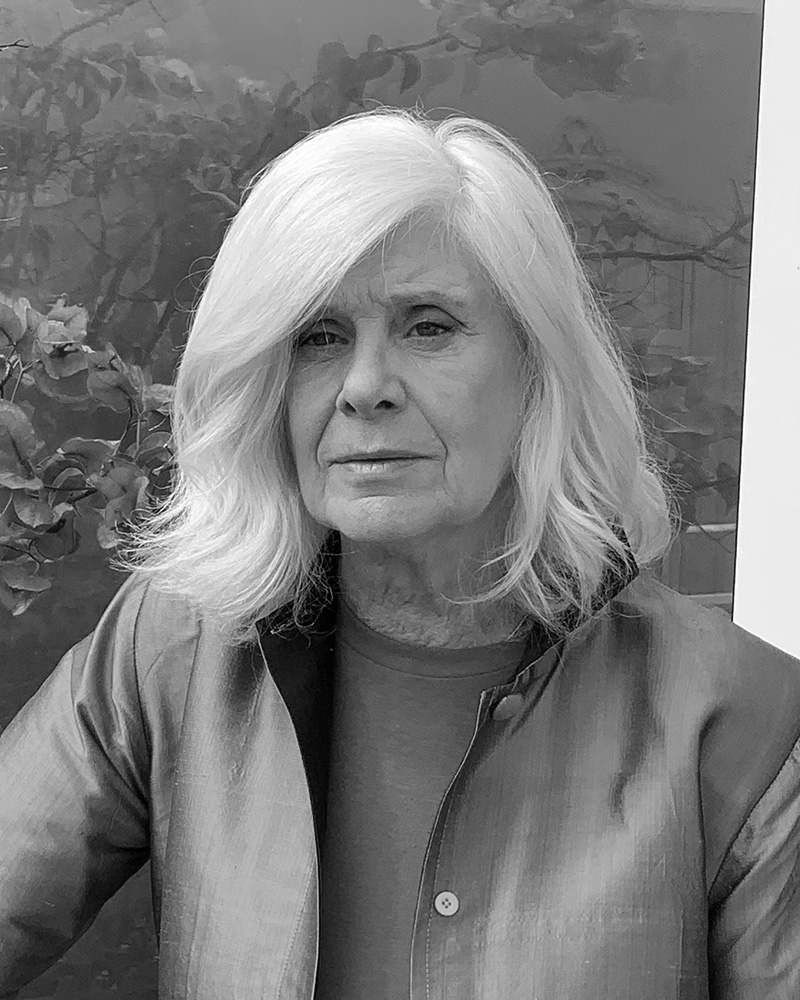
Director, screenwriter, novelist, and actress, she is one of the most original and courageous voices in contemporary French cinema. Originally from Breissuire, in the French province of Nouvelle-Aquitaine, she wrote her first novel in 1968, at the age of 17: L’homme facile. After several appearances in films such as Bernardo Bertolucci’s Last Tango in Paris (1972), and while collaborating, between screenplays and editing, with names such as Liliana Cavani, Federico Fellini, Marco Bellocchio and Maurice Pialat, she made her directorial debut with Une vrai jeune fille (1976), which adapted her fourth novel, Le soupirail. After Tapage nocturne (1979) and 36 fillette (1988), the director’s interest in the exploration of sexuality and the relationship between generations is more than clear. This is confirmed by her subsequent films, including Romance (1999), Fat Girl (2000), and Anatomy of Hell(2003), titles presented (and awarded) at festivals such as Rotterdam, Edinburgh, Berlin, and Cannes. Her films have featured important actresses such as Isabelle Huppert, Asia Argento, Yolande Moureau and Amira Casar. In 2012, director Luc Moullet dedicated a documentary to her, Catherine Breillat, la première fois. A multiple nominee for the Palme d’Or at Cannes (with The Last Mistress in 2007 and Last Summer in 2023), she presided over the Locarno jury in 2019.


